

What Does an Ophthalmologist Do?
Last updated: 18 January 2018
What is an ophthalmologist?
An ophthalmologist is a doctor who specialises in the diagnosis and management of diseases affecting the eye.
What do ophthalmologists treat?
Any problem with vision or the eye, including:
- Eye trauma or injury
- Infection or inflammation of any part of the eye
- Corneal diseases – diseases affecting the transparent, clear surface of the eye.
- Lens problems – especially cataracts which are opacifications that occur in the lens of the eye distorting vision.
- Retinal diseases – diseases affecting the back of the eye.
- Glaucoma – increased pressure in the eye
- Diabetic eye problems
- Eye tumours
- Squints and amblyopia
- Short and long sightedness
What to expect at your first appointment
History
An ophthalmologist will take a focussed history asking questions about your eye problem, how it developed and how it affects you.
Examination
The ophthalmologist will examine your eye thoroughly.
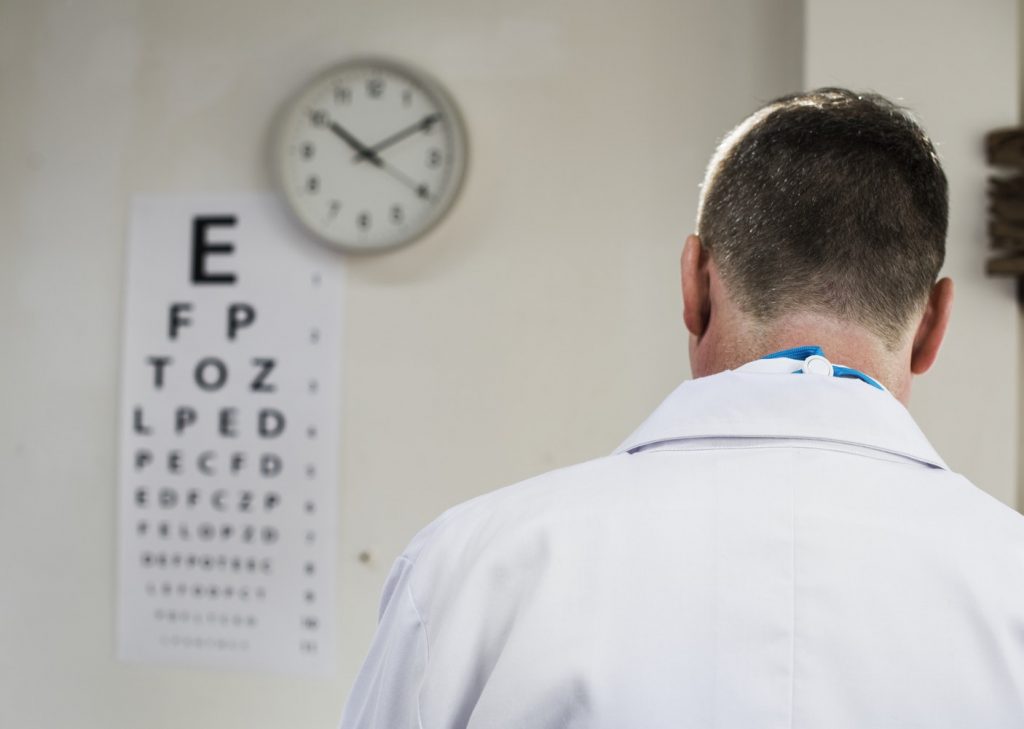
This generally begins by checking your visual acuity – how well you can read letters off a chart at a distance of 6 metres.
They may then use a slit lamp to examine the front of your eye – the cornea, anterior chamber and then lens before looking into the back of your eye to examine the blood vessels and retina there.
You are likely to require drops that dilate the pupil (make it bigger). These may make things seem a bit bright and blurry but it usually settles fairly soon.
Ophthalmological examination may also include a number of other parts to the examination that are tailored to the individual presentation.
Specialty areas of interest
- Diabetic eye problems
- Cataracts
- Laser surgery
- Paediatric ophthalmology
Associated tests
Procedures
- Laser surgery – corneal and retinal
- Cataract surgery
- Medications – usually eye drops.
Training and qualifications
Links
- Find an Ophthalmologist
- The Royal Australian and New Zealand College of Ophthalmologists
- Wikipedia – Ophthalmology
A: Use HealthEngine to find and book your next Optometrist appointment. Click on the following locations to find a Optometrist clinic in your state or territory.
This article is for informational purposes only and should not be taken as medical advice. If in doubt, HealthEngine recommends consulting with a registered health practitioner.
All content and media on the HealthEngine Blog is created and published online for informational purposes only. It is not intended to be a substitute for professional medical advice and should not be relied on as health or personal advice. Always seek the guidance of your doctor or other qualified health professional with any questions you may have regarding your health or a medical condition. Never disregard the advice of a medical professional, or delay in seeking it because of something you have read on this Website. If you think you may have a medical emergency, call your doctor, go to the nearest hospital emergency department, or call the emergency services immediately.
Related Articles



Need a health appointment?
Find and book a doctor, dentist, physio and more on Healthengine
Find a practitioner