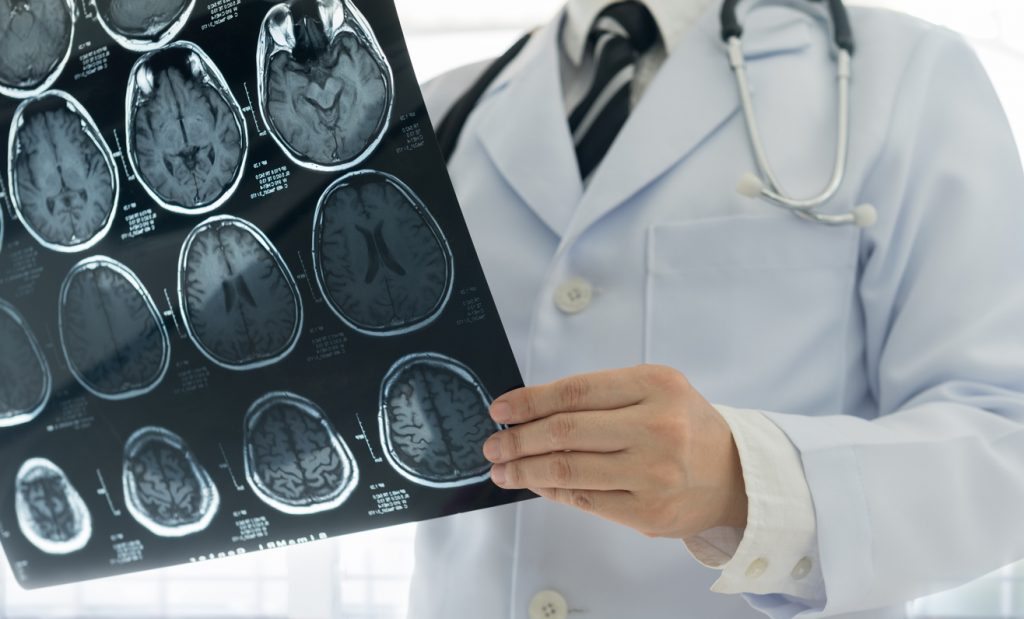


What is a neurologist?
A neurologist is a doctor who specialises in diagnosis and management of conditions that affect the brain, spinal cord and nerves.
Training and qualifications
Neurology training begins by training in general medicine. Once the Royal Australian College of Physicians (RACP) examinations have been passed entry into specialised neurology training is very competitive.
Once selected 4 years of specialty training follows. Trainees work under the supervision of a consultant / specialist neurologist.
Registrars must manage hospital inpatients, outpatients and are encouraged to conduct research before eventually reaching specialty level.
Book your health appointments online
Find and instantly book your next health appointment with Healthengine
What does a neurologist do?
A neurologist treats any illness involving the brain or spinal cord, such as:
- Headache
- Migraine
- Stroke
- Seizures
- Epilepsy
- Brain infection – encephalitis or meningitis
- Multiple sclerosis
- Myaesthenia gravis
- Eaton Lambert syndrome
- Huntingtons disease
- Degenerative or inherited neuromuscular diseases
- Spinal cord disease
- Transverse myelitis
- Parkinsons disease
- Dementia
Treatment usually involves the input of a multidisciplinary team. Types of tests performed by neurologists and their team include:
- CT scan
- MRI
- Lumbar puncture
- Blood tests
Medications may be useful in many conditions and may control or cure the illness. Having said this the support and rehabilitation services offered by a multidisciplinary team often make up the mainstay of management.
What to expect at your first visit with a neurologist
History
Your neurologist will first ask about:
- Your symptoms (their severity, onset, progression and how they affect your life)
- Past medical problems
- Medications
- Previous treatment and its effect
- Allergies
- Family history
- Social history
Examination
Your neurologist will then perform a neurological exam which aims to test all the functions of the brain and nerves in the human body.
Your neurologist will usually begin by asking some general questions to determine the functioning of your ‘higher centres’. This will include things like orientation, concentration and problem solving.
Next they will assess the cranial nerves – the nerves of the head. They will examine your eyes, face, tongue, mouth, ears and neck.
Next the upper limbs are examined checking tone, power, reflexes, sensation and coordination. Finally the lower limbs are examined again checking tone, power, reflexes, sensation and coordination.
From this examination your neurologist will have developed an idea of what the likely problem is, its severity and how to go about investigating and then treating it.
Links
- Find a Neurologist
- RACP – Advanced Training in Neurology
- Australian and New Zealand Association of Neurologists
- Wikipedia – Neurology
A: Use HealthEngine to find and book your next GP appointment. Click on the following locations to find a GP clinic in your state or territory.
This article is for informational purposes only and should not be taken as medical advice. If in doubt, HealthEngine recommends consulting with a registered health practitioner.
All content and media on the HealthEngine Blog is created and published online for informational purposes only. It is not intended to be a substitute for professional medical advice and should not be relied on as health or personal advice. Always seek the guidance of your doctor or other qualified health professional with any questions you may have regarding your health or a medical condition. Never disregard the advice of a medical professional, or delay in seeking it because of something you have read on this Website. If you think you may have a medical emergency, call your doctor, go to the nearest hospital emergency department, or call the emergency services immediately.
Related Articles



Need a health appointment?
Find and book a doctor, dentist, physio and more on Healthengine
Find a practitioner